Skin health in the UAE
Your skin barrier is doing more than you think
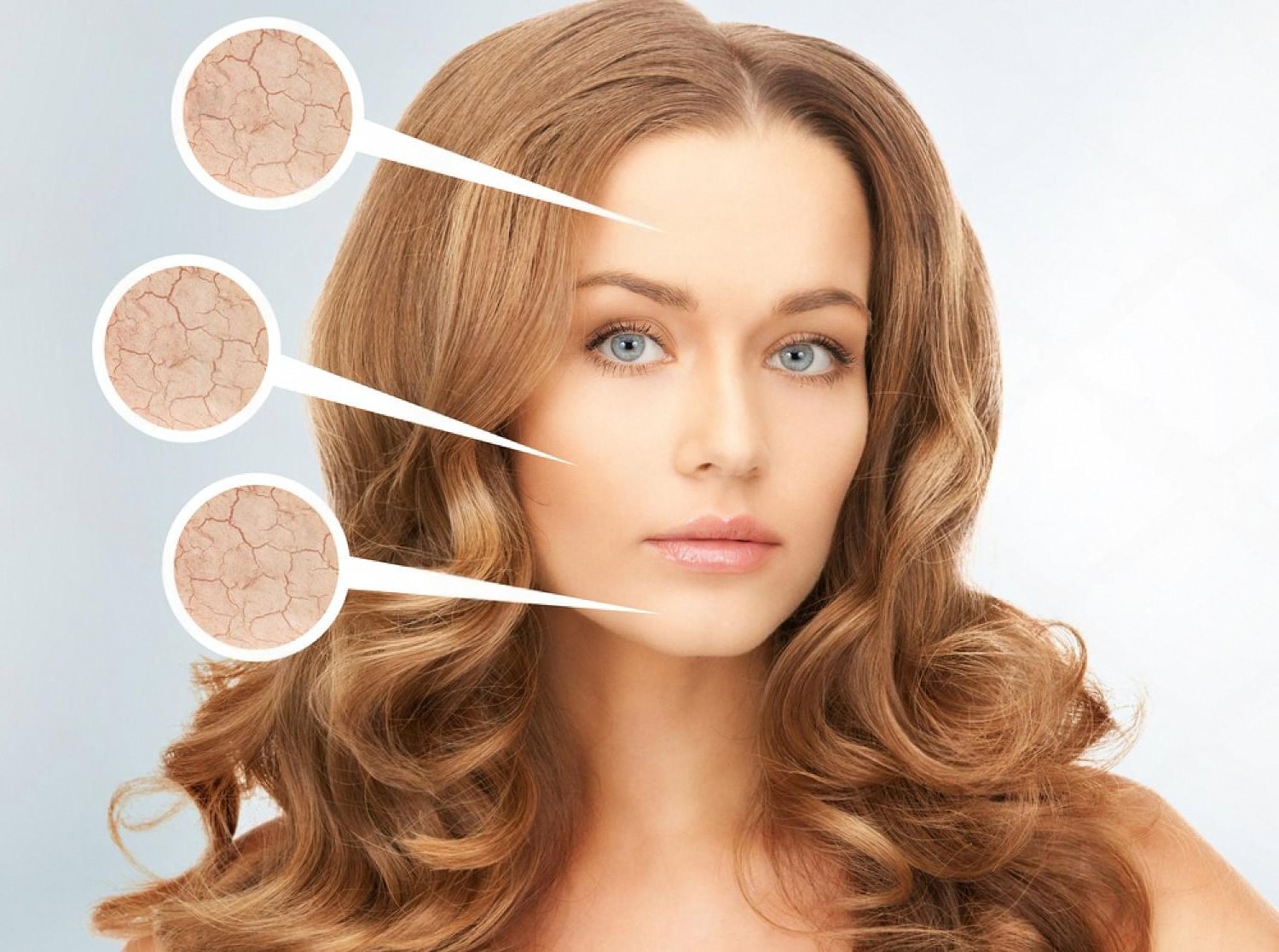
The skin barrier, also called the stratum corneum, is the thin outer layer that keeps water in and irritants out. Think of it as a brick wall: skin cells are the bricks, and lipids like ceramides, cholesterol and fatty acids are the mortar. When that mortar breaks down, everything you put on your face stings, moisture escapes, and small problems turn into chronic ones. In a climate like the UAE’s, the barrier works overtime.
Section 01
What actually damages the barrier
The barrier doesn’t collapse overnight. It thins out from small daily habits: a scrub used every morning, a foaming cleanser that leaves skin squeaky, a retinol layered with an acid, then the walk from an air-conditioned mall into 45°C heat. Each step alone is manageable. Stacked together, they strip the lipids faster than skin can rebuild them.
Pollution is the quieter culprit. Fine particulate matter from construction dust and traffic sits on the skin surface, generating free radicals that break down collagen and disrupt the barrier’s chemistry. According to the World Health Organizationmost Gulf cities exceed recommended PM2.5 levels for much of the year.

Section 02
Sun, heat and the Dubai factor
UV radiation doesn’t just cause tan lines. It degrades ceramides and weakens the tight junctions between skin cells, which is why a mild sunburn often flakes and peels a few days later. Ceramide production also slows with age, according to research summarised by the American Academy of Dermatologywhich is why barrier issues tend to compound after 30.
The UAE adds another layer: constant swings between hot outdoor air and dry, over-conditioned indoor spaces. Humidity indoors can drop below 30%, which pulls moisture out of skin the same way it dries out a leaf.
Section 03
The 10 signs you shouldn’t ignore
Most people notice one or two symptoms and assume they need a stronger product. In reality, the opposite is usually true. Watch for these ten red flags:
- Redness that lingers after cleansing or sun exposure.
- Burning or stinging when you apply serums that used to feel fine.
- Persistent dryness that moisturiser doesn’t fully fix.
- Dehydrationmeaning tight, papery skin even when it looks oily.
- Fresh acne scars and dark marks that take months to fade.
- New sensitivity to fragrance, alcohol or heat.
- Flaking or rough patchesespecially around the nose and cheeks.
- Itchiness after washing your face or coming indoors.
- Breakouts in unusual spotssuch as the temples or jawline.
- A dull, uneven tone that no amount of exfoliation seems to fix.
What actually helps the barrier heal
Cut back to a gentle cleanser, one hydrating serum, a moisturiser with ceramides and SPF 50 in the morning. Pause acids, retinol and scrubs for at least two weeks.
Look for ceramides, cholesterol, niacinamide, panthenol, squalane, hyaluronic acid and centella asiatica. These rebuild the lipid layer rather than strip it.
Reapply sunscreen every two hours outdoors, keep indoor humidity above 40% with a humidifier, and drink water consistently rather than in bursts.
When to escalate
Bring in a professional
If your skin has been reactive for more than six weeks, if you are dealing with painful cystic acne, or if pigmentation and scarring are getting worse instead of better, a professional assessment saves time and money. A qualified aesthetic clinic in the UAE can identify whether you are dealing with barrier dysfunction, rosacea, perioral dermatitis or a combination, and adjust the treatment accordingly.
Treatments that support barrier repair, rather than push it further, include hydrating facials with LED, polynucleotide injections, mesotherapy with amino acids, and mild chemical peels formulated for sensitive skin. Avoid aggressive laser resurfacing or deep peels while the barrier is still compromised.
The skin barrier is designed to heal. Most people see visible improvement within two to four weeks of simplifying their routine and adding ceramide-rich moisturisers, and full recovery within six weeks. The habit shift matters more than any single product on your shelf.
Frequently asked questions
How long does it take to repair a damaged skin barrier?
Mild damage typically heals in two to four weeks with a simplified routine and barrier-friendly ingredients like ceramides and niacinamide. More significant damage, especially from long-term over-exfoliation or aggressive treatments, can take six to eight weeks.
Consistency matters more than intensity. Skipping active ingredients during recovery is not a setback, it is the treatment.
Can I still use sunscreen if my skin barrier is damaged?
Yes, and you should. Sunscreen is one of the most important steps during barrier repair, especially in the UAE where UV levels stay high most of the year. Switch to a mineral formula with zinc oxide or a gentle hybrid sunscreen if chemical filters sting on compromised skin.
Is over-exfoliation really that common in Dubai?
It is one of the most common causes of barrier damage seen in local clinics. The combination of hot weather, sweat, sunscreen and makeup makes people feel like their skin is never truly clean, so they exfoliate more often to compensate.
Twice a week is enough for most skin types, and once a week for sensitive skin. If you are using a leave-on acid, you probably don’t need a physical scrub at all.
What ingredients should I avoid while my barrier heals?
Pause retinoids, AHAs, BHAs, benzoyl peroxide, vitamin C in high concentrations, essential oils and any product with high alcohol content. Foaming cleansers with sulphates can also be too stripping during recovery.
Reintroduce them slowly, one at a time, once your skin stops stinging on application.
Does drinking more water fix a damaged barrier?
Hydration helps, but it is not the main fix. Water reaches your skin last after your organs take what they need. A damaged barrier loses water through the surface faster than you can drink it, so the priority is sealing that leak with lipid-rich moisturisers.
Combine steady water intake with barrier-repair skincare for the best result.
When should I see a dermatologist instead of self-treating?
Book an appointment if your skin has been reactive for more than six weeks, if you have painful cystic acne, spreading redness, or if scarring and pigmentation are worsening. A professional can rule out conditions like rosacea, eczema and perioral dermatitis, which look like simple sensitivity but need different treatment.

Baseball fan, traveler, hiphop head, reclaimed wood collector and collaborator. Operating at the crossroads of beauty and mathematics to craft experiences that go beyond design. Check me out on Dribbble or Medium.
No Responses