Tea science
The middle path between green and black
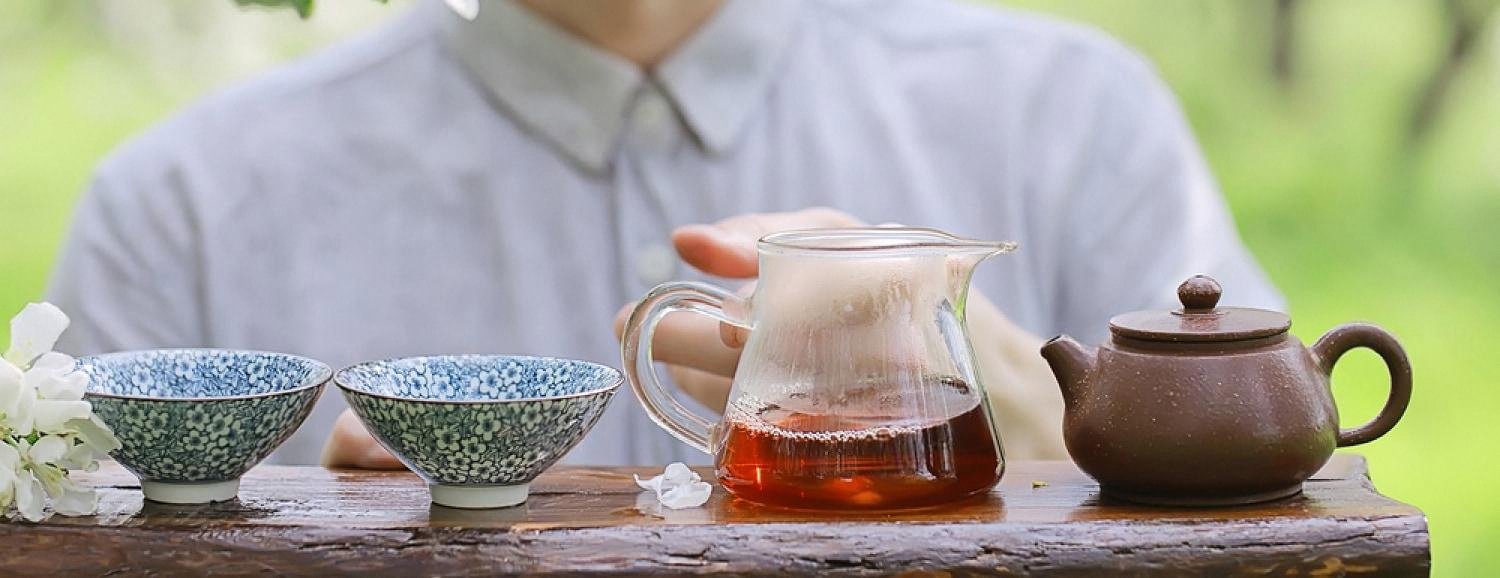
Oolong sits in a category of its own. It is neither the grassy, unoxidised green tea nor the fully oxidised black tea, and that in-between position is exactly what gives it such a wide flavour range. In one pot you can find orchid and honey; in another, roasted chestnut and dark stone fruit. This guide walks through the chemistry, the craft and the brewing choices that shape what ends up in your cup, with practical notes for tea drinkers in the UAE.
Processing
What actually happens to the leaf
Every true tea comes from the same plant, Camellia sinensis. What separates green, oolong and black tea is not the plant but the processing. Green tea is heated quickly to stop oxidation. Black tea is oxidised almost fully. Oolong is deliberately halted somewhere in the middle, anywhere from about 10 percent to 80 percent oxidised, depending on the style the maker is aiming for.
That partial oxidation is the single biggest reason oolong tastes so different. It changes the colour of the liquor, the aroma released when hot water hits the leaves, and the mouthfeel that lingers after a sip. A well-selected oolong tea by Cantata can show this range clearly, from pale golden florals to deep amber roasted notes.
From fresh leaf to finished oolong
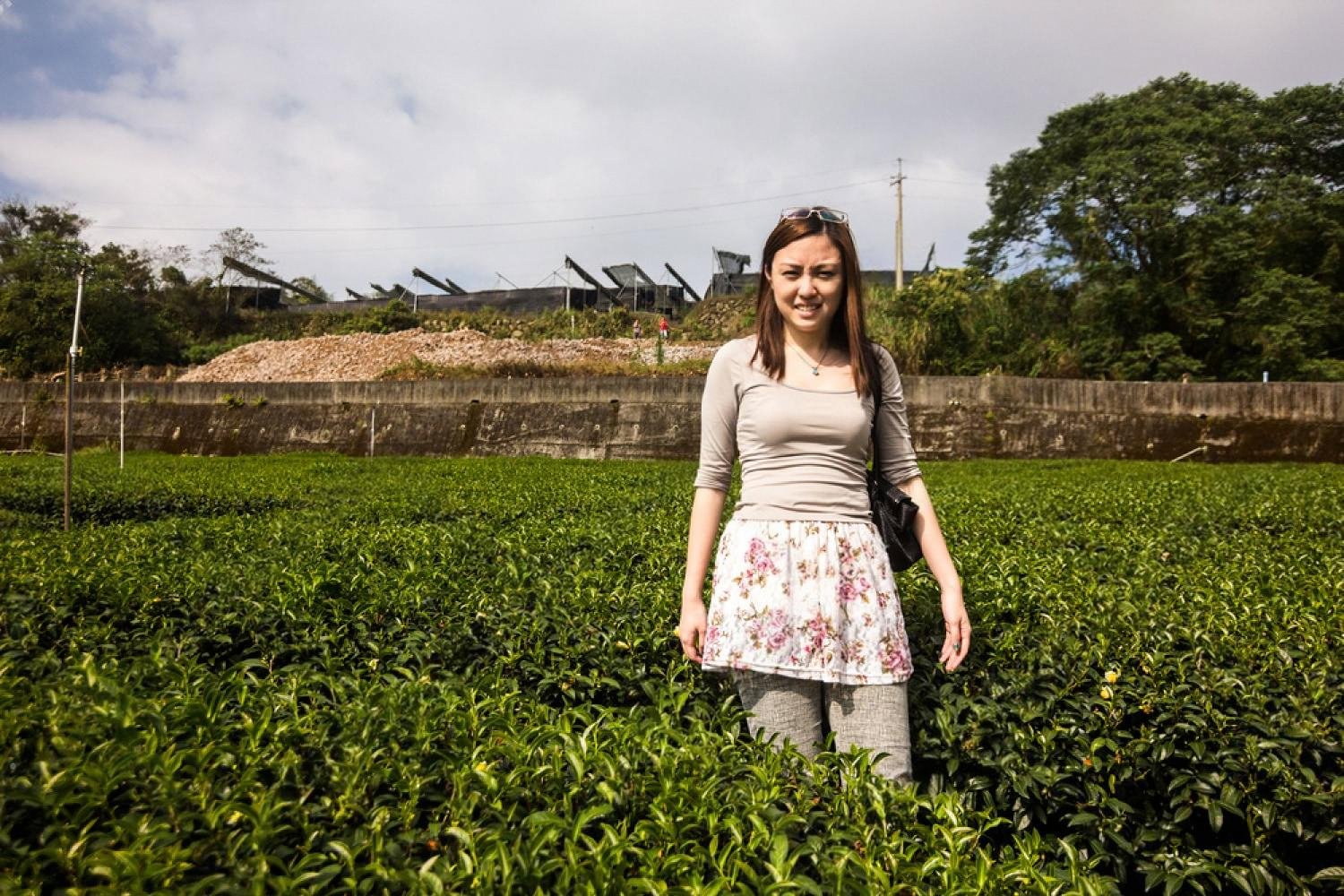
Oolong production is one of the most labour-intensive processes in the tea world. The maker guides the leaf through several stages, and small decisions at each step, temperature, timing, how firmly the leaf is bruised, all echo into the final flavour.
- Witheringlaying leaves out to lose moisture and soften.
- Bruising or shakinggently damaging leaf edges to trigger enzymatic oxidation.
- Oxidationletting the leaf react with oxygen for a controlled window.
- Fixationapplying heat to stop oxidation at the desired point.
- Rollingshaping the leaf into balls, twists or long strips.
- Drying and roastinglocking in flavour and, for some styles, adding a toasted character.
During oxidation, enzymes in the leaf convert catechins (the compounds that make green tea taste brisk and vegetal) into theaflavins and thearubigins, the same family of compounds that gives black tea its darker colour and fuller body. Because oolong stops partway, it keeps some of both worlds.
Light vs dark
Two very different families under one name
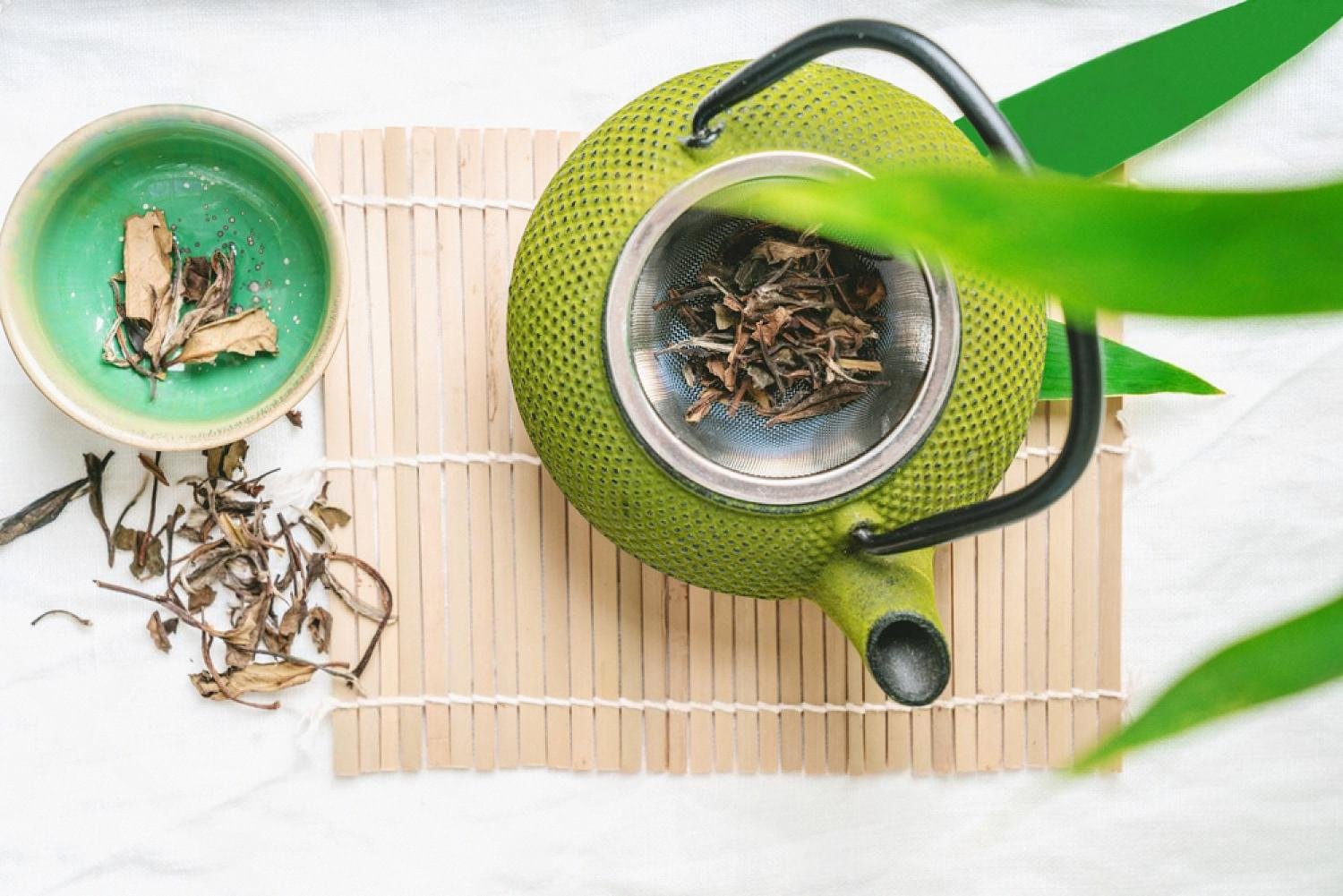
Lightly oxidised oolongs, such as many high-mountain Taiwanese teas, are usually rolled into tight green balls. They brew a pale yellow-green liquor with clean floral notes, orchid, lilac, sometimes a creamy finish. Darker oolongs, like traditional Wuyi rock teas or aged Tieguanyin, are more heavily oxidised and often roasted. The cup turns amber to chestnut and carries notes of roasted nuts, caramelised sugar, dried fruit and mineral warmth.
Neither style is better. They are two ends of the same spectrum, and part of the fun is tasting your way across it.
The chemistry behind the aroma
Oolong is famous for its aromatic complexity. Researchers studying tea have identified hundreds of volatile compounds in the finished leaf. A few of the important ones:
- Linalool and geraniolfloral, rose and lily notes.
- Jasmine lactone and methyl jasmonatefruity and jasmine-like nuances.
- Nerolidolwoody, honeyed backbone.
- Pyrazines and furansformed by roasting, contribute nutty and caramelised character.
Oxidation transforms leaf compounds into new ones, and roasting drives another round of change through Maillard reactions. That is why the same cultivar, grown in the same garden, can taste like fresh gardenia in one lot and like toasted almond in another.
Terroir
Plant, place and craft
Cultivar matters. Tieguanyin, Da Hong Pao, Jin Xuan and Dong Ding are not just names on a bag, they are distinct plant varieties with their own aromatic tendencies. Jin Xuan famously carries a natural creamy, milky note without any added flavouring.
Terroir matters too. Altitude slows the plant down, concentrating flavour compounds. Cool nights, mist and mineral-rich soil, common in the mountains of Fujian and central Taiwan, produce leaves with more nuance. Add a skilled maker who reads the weather and adjusts oxidation by feel, and you get a cup that is almost impossible to replicate anywhere else.
Brewing
How brewing unlocks the flavour
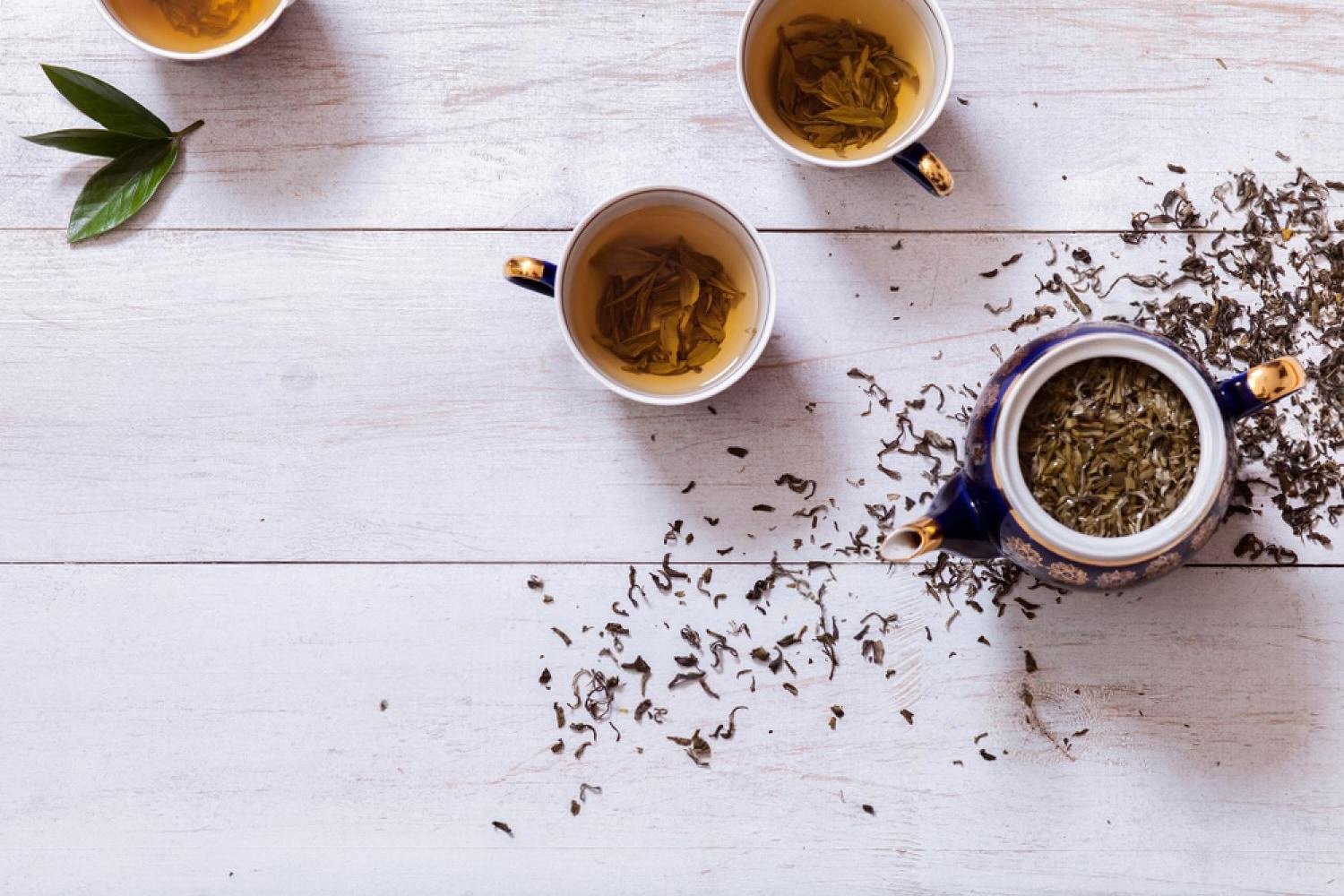
Oolong rewards attention. Rolled leaves need room to open, so a wider pot or gaiwan works better than a narrow mug. Water temperature usually sits between 85 and 95 degrees Celsius, hotter for roasted oolongs, slightly cooler for delicate floral ones.
Because the leaves unfurl gradually, a good oolong can be steeped many times, sometimes six or seven, with each infusion revealing a new layer. The first pour might be all florals, the third shows honey and stone fruit, the sixth leaves a soft mineral finish. If you are new to loose-leaf tea in the Emirates, browsing Chinese tea online in the UAE is a straightforward way to start building a small tasting flight at home.
Water, leaf and the details that matter
Tap water in much of the UAE is desalinated and can be low in the minerals that help extract flavour. Using filtered water with a light mineral content, or bottled low-TDS spring water, often makes a noticeable difference. Loose leaf beats tea bags almost every time, because oolong leaves need physical space to expand; crushed leaf in a bag extracts fast and flat.
How you taste matters too. Smell the dry leaf, then the warm empty cup, then the liquor. Notice the first impression, the mid-palate body, and the aftertaste (the Chinese call this hui ganthe returning sweetness). Good oolong finishes clean and keeps developing on the tongue for a minute or more.
Five things to remember
- Partial oxidation is the defining trait. It is why oolong is neither green nor black.
- Style depends on oxidation plus roast. Light and floral, or dark and toasted, choose by mood.
- Cultivar and terroir set the ceiling. Processing can only reveal what the leaf already carries.
- Brew multiple short infusions. Rolled leaves need several rounds to give their best.
- Store it properly. Airtight, cool, dark, away from strong kitchen smells and humidity.
Storage deserves a moment of its own. Oolong is sensitive to moisture, heat, light, air and strong odours. In the humid coastal climate of Dubai, Abu Dhabi and Sharjah, that means keeping the tea in an opaque, airtight tin, away from the stove, the spice cupboard and any direct sunlight through a window.
Fix that one habit, use more leaf, shorter steeps, water just off the boil, and even a modest oolong will surprise you.
Frequently asked questions
Is oolong tea closer to green tea or black tea?
Neither, and that is the point. Oolong is partially oxidised, so a lightly processed oolong can taste and look close to a green tea, while a darker, roasted oolong sits much closer to a black tea. The category as a whole covers everything in between.
Why is my oolong sometimes floral and sometimes roasted?
Two variables control this: how much the leaf was oxidised, and whether it was roasted after processing. Lightly oxidised, unroasted oolongs lean floral and creamy. Heavily oxidised or roasted oolongs develop nutty, caramelised, woody notes through Maillard-style reactions during the roast.
Can I really steep oolong more than once?
Yes, and you should. Rolled oolong leaves open slowly, releasing different compounds with each infusion. A quality oolong will give five to seven meaningful steeps, especially when brewed gongfu style in a small pot with a high leaf-to-water ratio and short steep times.
Does oolong tea contain caffeine?
It does. Caffeine content varies with cultivar, leaf age, processing and brewing strength, but a cup of oolong generally sits between green and black tea in caffeine, roughly 30 to 60 mg per cup. Shorter steeps and cooler water pull less caffeine.
What makes a premium oolong different from a supermarket one?
Premium oolong usually comes from a specific mountain area, a known cultivar and a small harvest window, then is processed by an experienced maker. You taste it in the clarity of the aroma, the thickness of the liquor, the returning sweetness and the number of infusions the leaves can sustain before fading.
How should I store oolong tea in the UAE climate?
Keep it in an airtight, opaque container, ideally a tin, away from heat, direct light and strong-smelling foods. Avoid the fridge, condensation is the enemy. A cool, dry cupboard away from the oven works well for both light and roasted oolongs.
What water is best for brewing oolong at home?
Filtered water with a modest mineral content is ideal. Pure desalinated tap water often tastes flat in tea, while very hard water can mute delicate florals. A low-TDS bottled spring water is a reliable, easy option for tea drinkers in Dubai and across the Emirates.

Baseball fan, traveler, hiphop head, reclaimed wood collector and collaborator. Operating at the crossroads of beauty and mathematics to craft experiences that go beyond design. Check me out on Dribbble or Medium.
No Responses